There are two ways to cook over fire. Close and intense, or distant and controlled. Everything else sits somewhere in between.
Understanding the difference between direct and indirect heat is what separates instinctive cooking from guesswork. It is the moment where fire stops being unpredictable and starts becoming a tool.
Master this, and everything else becomes easier.
What is Direct Cooking?
Direct cooking means placing food directly above the heat source.
This is where the fire is strongest, producing high temperatures that cook food quickly and create a strong sear.
Direct cooking is best for:
Thin cuts of meat
Steaks and burgers
Skewers and smaller items
Quick cooking vegetables
It delivers speed, caramelisation and that unmistakable char.
What is Indirect Cooking?
Indirect cooking moves food away from the most intense heat.
Instead of sitting directly over the fire, food is positioned to the side or further above it, allowing it to cook more gently.
Indirect cooking is ideal for:
Larger cuts of meat
Chicken and bone in pieces
Slower cooking dishes
Foods that need even heat without burning
It creates a more controlled environment, allowing food to cook through without drying out.
Why This Balance Matters
The real power comes from using both methods together.
By combining direct and indirect heat, you can:
Sear first, then finish gently
Cook evenly without burning
Control texture and doneness
Adapt to different ingredients in one session
This is where fire cooking becomes deliberate rather than reactive.
How to Use Direct and Indirect Heat on the Grill Box System
The Grill Box system is designed to make this transition seamless.
Start by establishing your heat using the Konro grill, creating a concentrated high temperature zone for direct cooking.
From there, you can introduce indirect cooking by adjusting height and position.
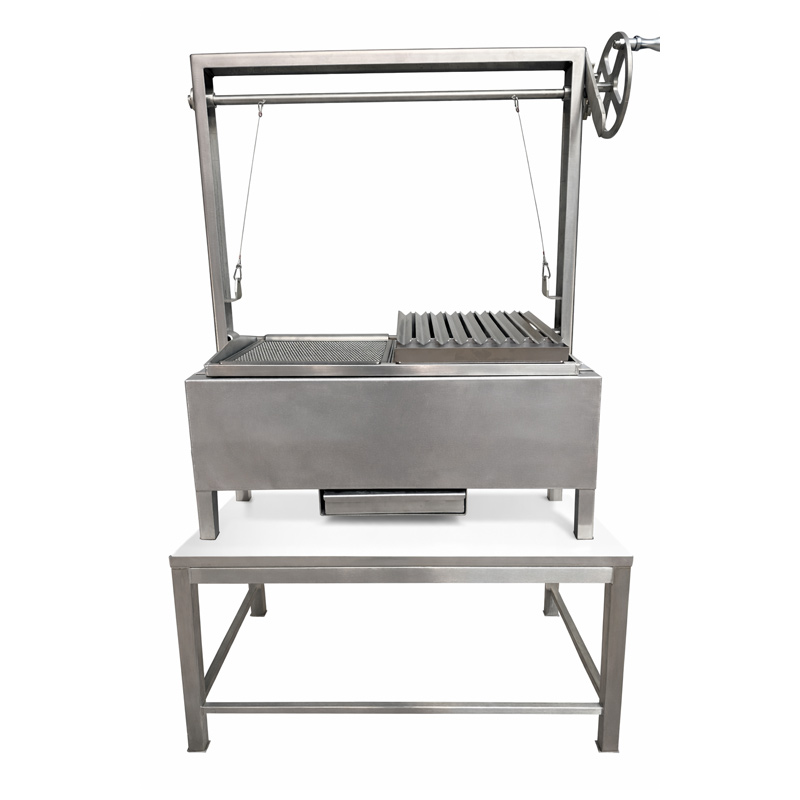
Using the Asado frame allows you to raise food away from the heat, instantly reducing intensity and creating a more controlled cooking environment.
For greater flexibility, the Ember Maker tray and stand allows you to move embers and create separate heat zones. This means you can have a high heat area for searing and a gentler zone for finishing, all within the same setup.
This ability to move between cooking styles without interruption is what makes the system so effective.
How to Get Started
To use both methods effectively, set up your fire with intention.
Create a strong central heat zone for direct cooking
Leave space for a cooler, indirect area
Start by searing over direct heat if needed
Move food to indirect heat to finish cooking
This movement is the key to control.
What to Cook Using Each Method
Understanding where each method works best helps you cook with confidence.
Direct cooking
Steak and thinner cuts of beef
Skewers and smaller items
Burgers and quick cooking foods
Indirect cooking
Whole chicken or bone in cuts
Larger joints of meat
Thicker vegetables
Foods that need time to cook through
Using both together allows you to handle almost anything.
Mastering the Transition
The real skill is knowing when to move between the two.
You might begin with direct heat to build colour and flavour, then shift to indirect heat to finish cooking gently.
Or you may start indirectly to cook through, finishing with direct heat for texture.
This flexibility is what gives you control over the final result.
Pro Tips for Better Results
Always preheat your cooking area before starting
Use direct heat for colour, not full cooking
Move food earlier rather than later to avoid burning
Cooking Over Fire with a Robata Grill A Complete Guide to Control, Heat and Technique Cooking over fire becomes something entirely different when you introduce control through height. What was once direct and intense becomes measured, adaptable and precise. A robata style approach allows you to work with the fire rather than fight it. Ingredients [...]
Managing Heat on a Charcoal Grill Control, Consistency and Cooking with Precision Cooking over charcoal is not just about fire, it is about control. Managing heat effectively allows you to move between fast searing, gentle roasting and slow cooking, all within the same grill. Whether using a konro grill, a robata setup or an asado [...]
How to Cook a Leg of Lamb on a Robata Grill Slow Cooking Over Fire with the Robata Method Cooking a leg of lamb over fire is one of the most rewarding ways to use a live fire grill. With the robata method, the process becomes slower, more controlled, and deeply flavourful, allowing the meat [...]
How to Cook Large Cuts on a Robata Grill Mastering Control, Heat and Perfectly Cooked Meat Cooking large cuts over fire is where patience meets precision. It is not about intensity or speed, but about control. Managing heat, distance and timing so that the inside cooks gently while the outside develops flavour. A robata style [...]


The Grill Box Fire Cooking Guide – Direct vs Indirect Cooking Over Fire Explained
Direct vs Indirect Cooking Over Fire Explained
Mastering Heat, Control and Flavour
There are two ways to cook over fire. Close and intense, or distant and controlled. Everything else sits somewhere in between.
Understanding the difference between direct and indirect heat is what separates instinctive cooking from guesswork. It is the moment where fire stops being unpredictable and starts becoming a tool.
Master this, and everything else becomes easier.
What is Direct Cooking?
Direct cooking means placing food directly above the heat source.
This is where the fire is strongest, producing high temperatures that cook food quickly and create a strong sear.
Direct cooking is best for:
It delivers speed, caramelisation and that unmistakable char.
What is Indirect Cooking?
Indirect cooking moves food away from the most intense heat.
Instead of sitting directly over the fire, food is positioned to the side or further above it, allowing it to cook more gently.
Indirect cooking is ideal for:
It creates a more controlled environment, allowing food to cook through without drying out.
Why This Balance Matters
The real power comes from using both methods together.
By combining direct and indirect heat, you can:
This is where fire cooking becomes deliberate rather than reactive.
How to Use Direct and Indirect Heat on the Grill Box System
The Grill Box system is designed to make this transition seamless.
Start by establishing your heat using the Konro grill, creating a concentrated high temperature zone for direct cooking.
From there, you can introduce indirect cooking by adjusting height and position.
Using the Asado frame allows you to raise food away from the heat, instantly reducing intensity and creating a more controlled cooking environment.
For greater flexibility, the Ember Maker tray and stand allows you to move embers and create separate heat zones. This means you can have a high heat area for searing and a gentler zone for finishing, all within the same setup.
This ability to move between cooking styles without interruption is what makes the system so effective.
How to Get Started
To use both methods effectively, set up your fire with intention.
This movement is the key to control.
What to Cook Using Each Method
Understanding where each method works best helps you cook with confidence.
Direct cooking
Indirect cooking
Using both together allows you to handle almost anything.
Mastering the Transition
The real skill is knowing when to move between the two.
You might begin with direct heat to build colour and flavour, then shift to indirect heat to finish cooking gently.
Or you may start indirectly to cook through, finishing with direct heat for texture.
This flexibility is what gives you control over the final result.
Pro Tips for Better Results
Common Mistakes to Avoid
Fire rewards movement and awareness.
Build Your Grill Box Setup
Explore the full system
Explore the Konro
Add flexibility with the Asado frame
Take control of embers
Continue Your Fire Cooking Journey
To build your skills further, explore:
Each technique builds on the same foundation. Control the heat, and everything else follows.
Related Posts
The Grill Box Fire Cooking Guide – Cooking Over Fire with a Robata Grill
The Grill Box Fire Cooking Guide – Managing Heat on a Charcoal Grill
The Grill Box Fire Cooking Guide – How to Cook a Leg of Lamb on a Robata Grill
The Grill Box Fire Cooking Guide – How to Cook Large Cuts on a Robata Grill