The perfect pizza-cooking temperature is 450C – it’s the temperature of those gorgeous vintage wood-fired pizza ovens used by the same family for generations.
Ideally, when you’re cooking a pizza, you want heat enough to crisp the crust but not to destroy your toppings. Essentially, whether you have a special pizza oven or are just cranking up your kitchen oven, the hotter you can get it, the better.
Can I cook a good pizza in my kitchen oven?
It’s not idea, but sure you can. Turn it up as hot as it will go – most domestic ovens will only hit the low- to mid-200s. Heat it for as long as possible – half an hour is good – before you put your pizza in. In your kitchen oven, most pizzas will take about 10 minutes to cook.
If you want to fast-track your pizza but don’t have the cash for a specialised pizza oven, investing in a pizza stone is your best bet.
How does a pizza stone help cook the pizza?
Putting your pizza on the pizza stone will give it a fabulous kickstart, searing the base to make it far crispier than if you simply put the pizza on a baking tray. Heat the pizza stone while you heat your oven, and when you put your pizza on it, it concentrates that heat on your pizza base, almost replicating the wood-fired pizza ovens of the old country.
Should I buy a gas pizza oven?
Kitchen-oven pizzas are entirely acceptable, but if you want step it up a gear, investing in a dedicated pizza oven is a great idea. There are many ovens to choose from to suit your budget. Cooked toppings, crispy base, gooey cheese. It’s all there.
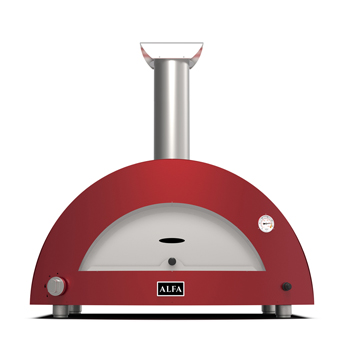
If pizza is a big part of your life, but you can’t stretch to a top of the range wood-fired oven, a gas pizza oven is a good start.
Should I upgrade to a wood-fired pizza oven?
Erm. Yes. Gas is a great start, but there’s really nothing as authentic as a wood-fired pizza scorched on a stone slab in an oven that reaches that sweet spot of 450. Starting around £500 and pushing into the thousands, wood burning pizza ovens are the investment of the serious pizza connoisseur.
Is building my own pizza oven an option?
Of course. If you have the time and patience to build your own oven, absolutely go for it. These Instructables walk you through the stages of concreting, bricklaying and careful arch creating you need to produce your very own pizza oven.
Anchovy& Kale Chimichurri with Goats Gouda Pizza! This pizza tastes fresh and spicy with a tangy quality from the melted goat’s cheese and zingy lime running through the chimichurri. It’s a super twist on a classic tomato sauce base with the kale providing some earthy depth. Serve with pickled veg and a peppery wild rocket [...]
The perfect pizza is a tall order, not least because ‘the perfect pizza’ is pretty subjective. For some, the perfect pizza has pineapple on it; for others, ‘perfect’ is a few basil leaves carefully placed on a Campania buffalo mozzarella and a sauce of San Marzano tomatoes grown in the fertile volcanic soil of Mount Vesuvius, all baked in a woodfired pizza oven.
But regardless of the toppings, there are definitely utensils and tools that help you cook your perfect pizza.
The perfect appetiser - Rosemary and Olive Focaccia! Focaccia is a great starter served with a good olive oil and balsamic vinegar, dipped into winter soups or as a gourmet sandwich bread stuffed with meatballs and mozzarella. This recipe is fast and forgiving for first time bakers and you can top it with just about [...]
The Margherita, THE CLASSIC pizza?! As legend has it, on June 11, 1889, to honour the Queen consort of Italy, Margherita of Savoy, the Neapolitan pizza maker Raffaele Esposito created the "Pizza Margherita". Made with marinara sauce, mozzarella, and basil, it represents the Flag of Italy. Simple but super tasty! Pizza dough This recipe uses Associazione Verace Pizza Napoletana recipe [...]


What temperature should I cook my pizza at?
Ideally, when you’re cooking a pizza, you want heat enough to crisp the crust but not to destroy your toppings. Essentially, whether you have a special pizza oven or are just cranking up your kitchen oven, the hotter you can get it, the better.
Can I cook a good pizza in my kitchen oven?
It’s not idea, but sure you can. Turn it up as hot as it will go – most domestic ovens will only hit the low- to mid-200s. Heat it for as long as possible – half an hour is good – before you put your pizza in. In your kitchen oven, most pizzas will take about 10 minutes to cook.
If you want to fast-track your pizza but don’t have the cash for a specialised pizza oven, investing in a pizza stone is your best bet.
How does a pizza stone help cook the pizza?
Putting your pizza on the pizza stone will give it a fabulous kickstart, searing the base to make it far crispier than if you simply put the pizza on a baking tray. Heat the pizza stone while you heat your oven, and when you put your pizza on it, it concentrates that heat on your pizza base, almost replicating the wood-fired pizza ovens of the old country.
Should I buy a gas pizza oven?
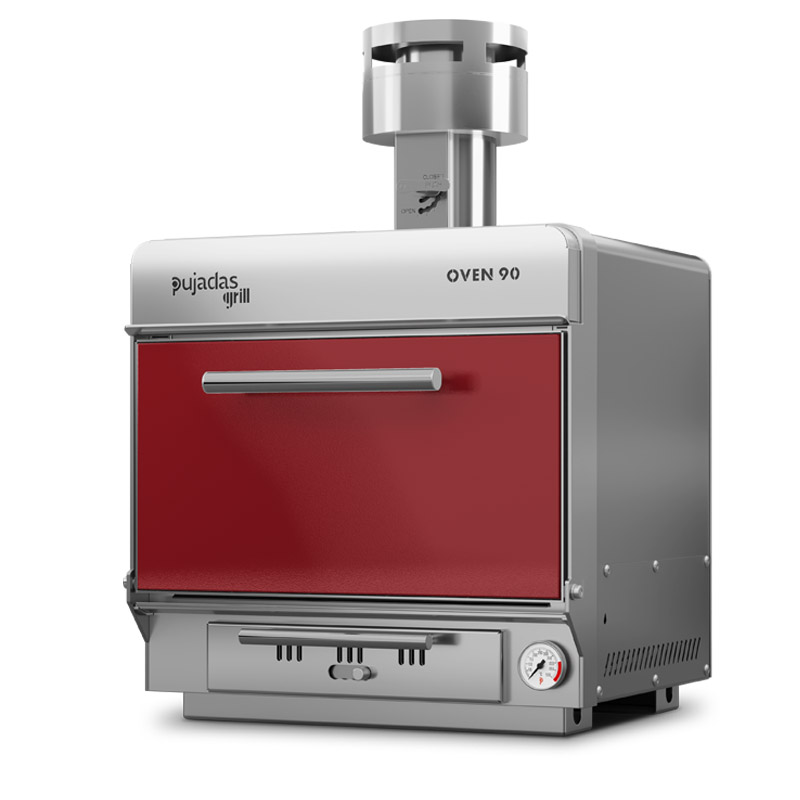
Kitchen-oven pizzas are entirely acceptable, but if you want step it up a gear, investing in a dedicated pizza oven is a great idea. There are many ovens to choose from to suit your budget. Cooked toppings, crispy base, gooey cheese. It’s all there.
If pizza is a big part of your life, but you can’t stretch to a top of the range wood-fired oven, a gas pizza oven is a good start.
Should I upgrade to a wood-fired pizza oven?
Erm. Yes. Gas is a great start, but there’s really nothing as authentic as a wood-fired pizza scorched on a stone slab in an oven that reaches that sweet spot of 450. Starting around £500 and pushing into the thousands, wood burning pizza ovens are the investment of the serious pizza connoisseur.
Is building my own pizza oven an option?
Of course. If you have the time and patience to build your own oven, absolutely go for it. These Instructables walk you through the stages of concreting, bricklaying and careful arch creating you need to produce your very own pizza oven.
PDF DOWNLOAD: What temperature should I cook pizza? >
Related Posts
Anchovy & Kale Chimichurri with Goats Gouda Pizza
Best utensils and tools to cook the perfect pizza
The perfect pizza is a tall order, not least because ‘the perfect pizza’ is pretty subjective. For some, the perfect pizza has pineapple on it; for others, ‘perfect’ is a few basil leaves carefully placed on a Campania buffalo mozzarella and a sauce of San Marzano tomatoes grown in the fertile volcanic soil of Mount Vesuvius, all baked in a woodfired pizza oven.
But regardless of the toppings, there are definitely utensils and tools that help you cook your perfect pizza.
Rosemary & Olive Focaccia
Classic Margherita